Trade-Approved Scales in Australia: Understanding NMI Requirements and Compliance
When weighing determines the price of goods or services, businesses in Australia need to ensure their weighing equipment meets trade measurement requirements. This is particularly important for industries such as retail, agriculture, logistics, manufacturing, food processing and mining.
Many businesses refer to these as NMI-approved scales or trade-approved scales. However, understanding the difference between pattern approval, verification and ongoing accuracy is essential for compliance.
What Is On-Board Weighing?
A trade approved scale is a weighing instrument that meets the requirements for use in commercial transactions where measurement determines price.
Under Australia's trade measurement framework, a weighing instrument used for trade must be:
An approved pattern
Verified before being used for trade
Accurate and suitable for its intended purpose
Properly maintained and operated
The National Measurement Institute (NMI) administers Australia's trade measurement laws and oversees the approval and verification framework for measuring instruments.
What Is NMI Pattern Approval?
Pattern approval relates to the design or model of the measuring instrument rather than simply an individual scale.
NMI assesses measuring instruments against applicable Australian or international requirements to determine whether they can maintain their measurement performance under specified operating and environmental conditions.
When a pattern satisfies the requirements, NMI issues a Certificate of Approval.
This means businesses purchasing a trade scale should check that the model and configuration they are buying are covered by a valid approval certificate.
What Is Scale Verification?
Pattern approval alone is not the final step.
Before an individual weighing instrument can be used for trade, it generally needs to be verified by a licensed servicing technician. Verification involves testing the instrument using the applicable test procedures and confirming that it operates within the permitted maximum errors.
When the instrument passes verification, an appropriate verification mark is applied.
This distinction is important:
Pattern Approval → Verification → Trade Use
A scale can therefore have an approved model but still require individual verification before it is used to determine the price of goods or services.
When Do You Need a Trade Approved Scale?
Trade measurement laws apply where measurement is used in commercial transactions, including situations where goods or services are bought or sold by measurement.
Examples can include:
Retail and Food
Scales used to sell meat, seafood, produce and other goods by weight may require trade approval and verification.
Agriculture
Scales used for commercial transactions involving products such as grain, livestock or other commodities may require compliant weighing equipment.
Logistics and Transport
Where freight or services are charged based on weight, suitable trade measurement equipment may be required.
Manufacturing and Processing
Businesses selling products by weight need to consider whether their weighing systems fall within trade measurement requirements.
Trade Approved Scales vs Standard Industrial Scales
Not every weighing application requires a trade approved scale.
A standard industrial weighing system may be suitable when weight is used for internal monitoring, inventory control, process management or production purposes and does not determine the price in a regulated transaction.
A trade approved weighing system is relevant when the measurement is used for a commercial transaction covered by trade measurement laws.
Choosing the correct scale at the beginning can help businesses avoid compliance issues and unnecessary equipment changes later.
Maintaining Compliance After Installation
Purchasing a compliant weighing instrument is only part of the process. Businesses using scales for trade must also ensure the instrument remains accurate and is used correctly.
Good measurement practices include:
Keeping the scale clean and in good working order
Using the scale according to its approved configuration and intended purpose
Checking that the scale remains accurate during use
Addressing faults promptly
Having the instrument re-verified where required following repair or adjustment
Keeping relevant verification and instrument records
Regular checks by an appropriately licensed servicing provider can also help identify measurement issues before they affect commercial transactions.
👉 Explore the products: https://www.loadsensors.com.au/trade-approved-scales
Load Sensors Australia Trade Approved Scales
Load Sensors provides a range of high-precision load cells built to strict industry standards. Made for reliable, accurate performance, our load cells use advanced manufacturing and effective sealing for long-lasting use in many applications.
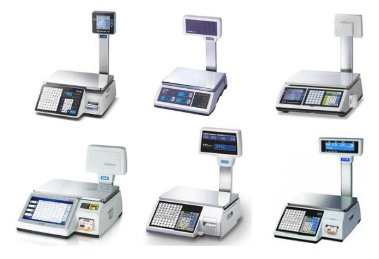
Label Printing Scales
Label printing scales ideal for accurately labelling your products in retail settings, including fruit and vegetable stalls, deli counters, butcher shops, seafood markets, and wholefoods stores.
Label Printing Scales | Enhance Your Weighing Accuracy – Shop Now — Load Sensor
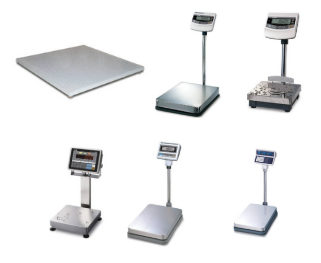
Platform Scale
Heavy-duty, flat-surface weighing machine engineered to precisely measure large, bulky, or extremely heavy items that conventional scales are unable to accommodate.
Platform Scales Australia | Heavy-Duty Industrial Platform Weighing – Load Sensor — Load Sensor
Choosing the Right Trade Approved Scale
The right scale depends on your application, required capacity, operating environment and transaction requirements.
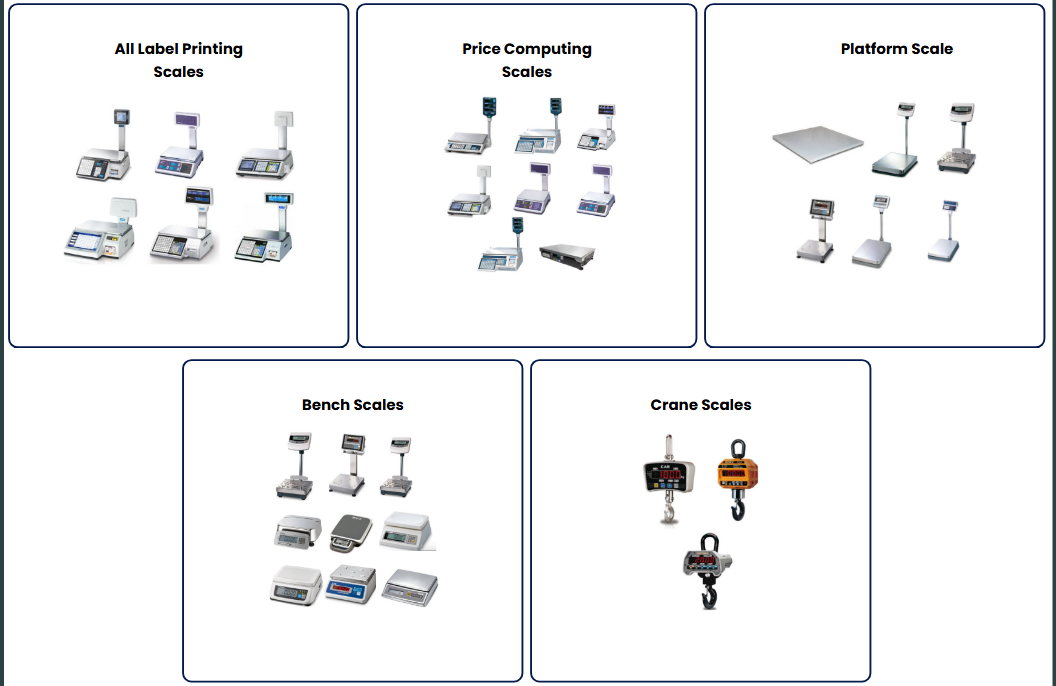
Load Sensors Australia offers a range of trade approved weighing scales, including:
Whether you need a compact retail scale or a heavy-duty industrial weighing solution, it is important to confirm the scale's approval status, configuration and suitability for the intended application before purchase.
Why Choose Load Sensors Australia?
Load Sensors Australia provides weighing solutions for a wide range of commercial and industrial applications. Its range includes trade approved scales, load cells, weighing indicators, industrial weighing kits, onboard weighing kits and truck weighbridge solutions.
The team can help businesses identify an appropriate weighing solution based on capacity, application, environment and trade measurement requirements.
Conclusion
Using the right trade approved scale in Australia is essential when weight is used to determine the price of goods or services. Understanding the difference between NMI pattern approval and individual verification helps businesses select suitable equipment and maintain compliance throughout the life of the instrument.
Before purchasing a weighing scale for trade use, confirm that the model has the appropriate approval and that the individual instrument can be verified for your intended application.
For reliable weighing solutions and assistance selecting the right equipment, talk to Load Sensors Australia.
📞 Call us today on 1300 557 216 to discuss your requirements.
📧 Email sales@loadsensors.com.au for expert advice or a customised quote.
Explore our Trade Approved Scales and find the right weighing solution for your business.