
Does a Load Cell Amplifier Help Connect Load Cells to a PLC in Automation & Control Engineering?
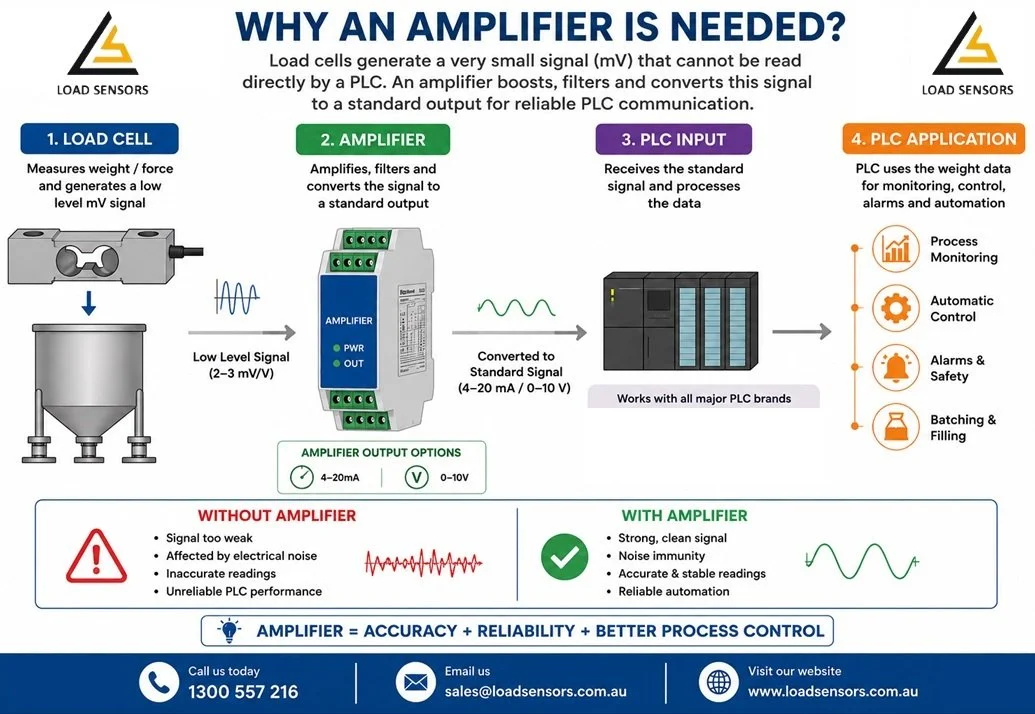
Load cells play a vital role in industrial automation by providing accurate weight and force measurements for manufacturing, material handling, packaging, batching, and process control. However, the low-level electrical signal generated by a load cell cannot be read directly by most Programmable Logic Controllers (PLCs).
This is where a load cell amplifier becomes essential. Acting as the bridge between the load cell and the PLC, it converts the millivolt (mV) signal from the load cell into a standard industrial output such as 4–20mA, 0–10V, or other analogue signals that PLCs can accurately process.
In this article, we'll explore how load cell amplifiers work, their benefits in automation and control engineering, and how Load Sensors Australia's AT2 Amplifier and TX Series Weighing Accessories simplify industrial weighing applications.
What Is a Load Cell Amplifier?
A load cell amplifier is an electronic device that receives the small electrical signal produced by a load cell, amplifies it, filters out electrical noise, and converts it into an output compatible with industrial control systems.
Without an amplifier, the signal from a load cell is often too weak and susceptible to interference, making accurate measurement by a PLC impossible.
👉 Explore the products: https://www.loadsensors.com.au/weighing-accessories
How Does a Load Cell Amplifier Work?
The process is straightforward:
Load Cell Measures Force or Weight
The load cell detects the applied load and generates a proportional millivolt signal.
Amplifier Conditions the Signal
The amplifier increases the signal strength while filtering electrical noise and compensating for minor variations.
Signal Conversion
The conditioned signal is converted into a standard analogue output such as 4–20mA or 0–10V.
PLC Receives the Signal
The PLC processes the analogue signal to monitor weight, trigger alarms, automate batching, or control production equipment.
This seamless communication enables precise monitoring and control throughout automated industrial processes.
Benefits of Using a Load Cell Amplifier
Improved Measurement Accuracy
Amplifiers enhance signal quality by reducing electrical interference, resulting in more accurate and stable weight measurements.
Reliable PLC Integration
Standard analogue outputs make it easy to connect load cells to PLCs from leading manufacturers, including Siemens, Allen-Bradley, Schneider Electric, Omron, Mitsubishi Electric, and ABB.
Better Process Automation
Load cell amplifiers support automated operations such as:
Tank weighing
Hopper weighing
Silo inventory monitoring
Conveyor weighing
Packaging machines
Filling systems
Batching plants
Force measurement applications
Increased Productivity
Accurate weight feedback allows PLCs to automate production processes, reducing manual intervention and improving operational efficiency.
Simplified System Integration
Industrial signal outputs minimise compatibility issues, enabling faster commissioning and easier maintenance.
AT2 Load Cell Amplifier – Reliable Signal Conditioning for Industrial Automation
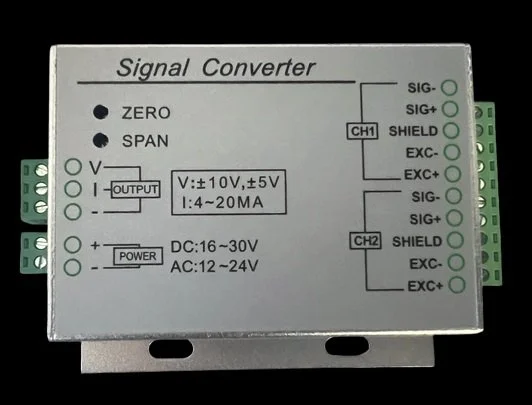
The AT2 Amplifier from Load Sensors Australia is designed to provide reliable signal amplification and conversion for industrial weighing applications.
Key benefits include:
High-accuracy signal amplification
Stable analogue outputs for PLC integration
Compact DIN rail mounting
Reliable performance in industrial environments
Easy configuration and installation
Suitable for tank, hopper, silo, batching and force measurement systems
Whether you're designing a new automation system or upgrading an existing process, the AT2 Amplifier provides dependable communication between load cells and PLCs.
Supporting Weighing Accessories for Complete Installation
A reliable weighing system also depends on quality accessories that ensure secure wiring, signal integrity, and easy installation.
Load Sensors Australia offers several accessories to complement the AT2 Amplifier:
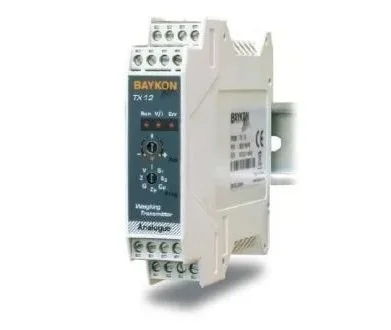
TX12 analog load cell transmitter
The TX12 is designed to simplify system integration while supporting reliable signal distribution across multiple weighing applications.
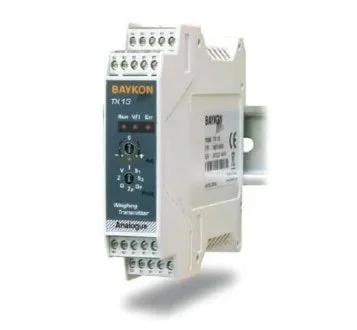
TX13 analog load cell transmitter
The TX13 provides dependable signal connectivity for industrial weighing systems, helping maintain accurate data transmission between load cells and control equipment.
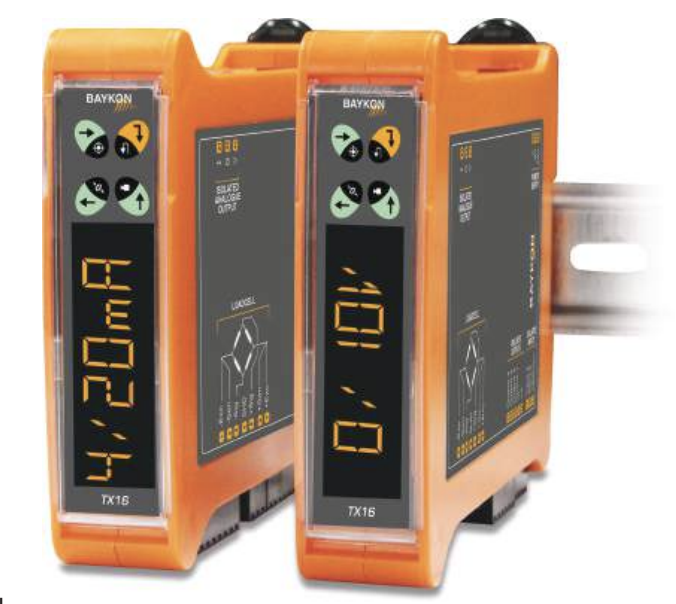
Load Cell Amplifier - TX16
The TX16 analogue transmitter is a high-tech device designed for industrial applications that require fast and accurate processing. It can be reliably used in various industrial weighing, force, and pressure measurement applications.
Using compatible accessories ensures long-term reliability, simplified maintenance, and optimal system performance.
Common Applications
Load cell amplifiers are widely used across numerous industries, including:
Manufacturing
Mining
Agriculture
Food and beverage processing
Chemical processing
Pharmaceuticals
Logistics and warehousing
Concrete batching plants
Recycling facilities
Water treatment plants
Wherever accurate weight measurement is required, load cell amplifiers play a critical role in delivering reliable automation.
Choosing the Right Load Cell Amplifier
When selecting a load cell amplifier, consider:
Output signal compatibility (4–20mA, 0–10V, etc.)
Number of load cells
Required accuracy
Environmental conditions
PLC compatibility
Installation method
Future expansion requirements
Choosing the right amplifier ensures long-term system reliability and optimal performance.
Conclusion
A load cell amplifier is an essential component in modern automation and control engineering, enabling seamless communication between load cells and PLC systems. By converting low-level millivolt signals into standard industrial outputs, it ensures accurate measurements, improved process control, and enhanced production efficiency.
The AT2 Amplifier, together with the TX11, TX12, and TX13 Weighing Accessories, provides a complete solution for integrating load cells into industrial automation systems. Whether you're designing a new weighing application or upgrading an existing installation, Load Sensors Australia offers reliable products engineered for precision and long-term performance.
Need expert advice on integrating load cells with your PLC?
📞 Call us today:1300 557 216 to discuss your automation requirements.
📧 Email us:sales@loadsensors.com.au for guidance or a customised quote on load cell amplifiers and weighing accessories.